







Search Results for: Black Label Geisha

An In-Depth Analysis of the Grade Classification and Scarcity Characteristics of Panama Hacienda La Esmeralda Black Label Geisha Coffee Beans
In recent years, the popularity of Geisha in the specialty coffee world has continued to climb, and Hacienda La Esmeralda in Panama, as the core estate that propelled this variety to its peak, has always drawn close attention for its grading system. Besides the familiar Red Label, Green Label, and auction lots, a new grade called "Black Label" has quietly appeared on the market—not only is it expensive with extremely low production, but information about it is also rather mysterious. This article will systematically sort out the Geisha grading framework of Hacienda La Esmeralda and take a deep dive into the definition of Black Label Geisha, its source plots, degree of scarcity, and the experimental processing techniques involved behind it, helping coffee enthusiasts fully understand the true face of this brand-new grade. [more…]
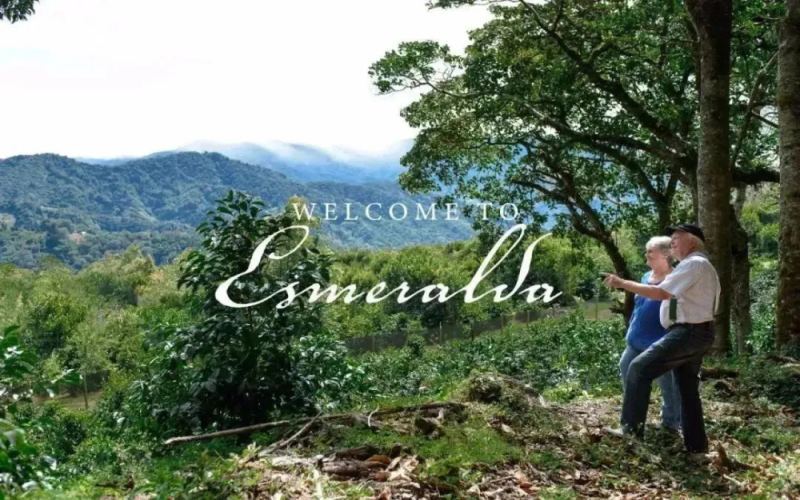
A Complete Guide to Hacienda La Esmeralda Geisha Grades: Why Was Blue Label Geisha 1500 Discontinued? What's the Difference Between Red, Green, and Black Labels?
Hacienda La Esmeralda in Panama, with its unique vision, discovered the potential of the Geisha variety, and through the Best of Panama (BOP) competition, made Geisha an overnight sensation. Since then, the Geisha produced by Hacienda La Esmeralda has remained a hot topic in the coffee world, with terms such as Red Label, Green Label, and Blue Label (Geisha 1500) frequently appearing. However, in recent years, "Geisha 1500" has gradually faded from view—why did it disappear? How many grading systems does Hacienda La Esmeralda currently have? This article will start with the layout of the estates under Hacienda La Esmeralda, systematically explain the grading logic and traceability rules of brands such as Red Label, Green Label, Black Label, and Diamond Mountain, and clarify the ins and outs of the discontinuation of Blue Label Geisha, helping coffee enthusiasts understand the full picture of Hacienda La Esmeralda's Geisha product line. [more…]
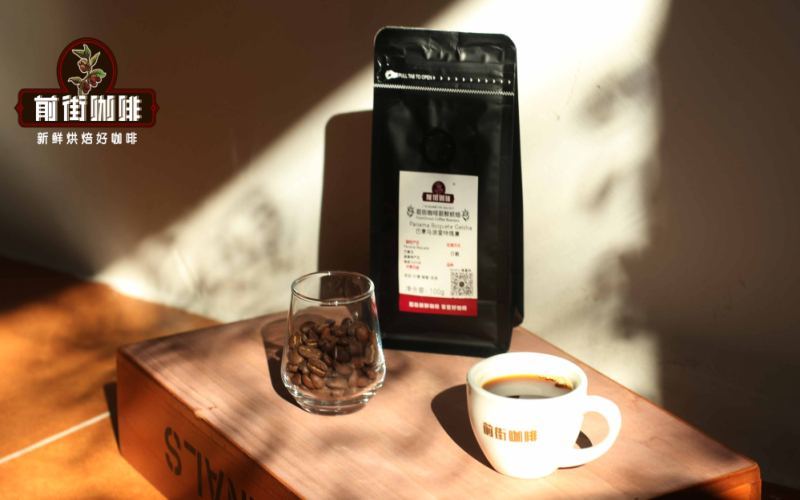
Front Street Coffee Limited-Time Special: Blue Label Geisha half price at 49 yuan for 100 grams, everyday beans from 9.9 yuan, seasonal drip bags at 19.9 yuan
Front Street Coffee (FrontStreet Coffee) launches its annual mega-value promotion, featuring selected drip coffee bags, six best-selling everyday beans, and thirteen specialty beans, with single-origin beans at up to 50% off. Among them, the Panama Hacienda La Esmeralda Blue Label Geisha is half price at only 49 yuan/100g, while everyday beans such as Yunnan small-batch, washed Yirgacheffe, and Mandheling are as low as 9.9 yuan/100g, and seasonal drip coffee bags are 19.9 yuan/box with free shipping nationwide. The promotion runs from July 15 to 17, only three days. This article details the flavor characteristics, processing methods, and Taobao codes of each discounted bean, and also includes a primer on Geisha grades (Red Label, Green Label, Blue Label) along with brewing suggestions, helping coffee lovers taste specialty coffee at affordable prices. [more…]
Front Street Coffee Limited-Time Offer: Blue Label Geisha Half Price ¥49 for 100g, Everyday Beans as Low as ¥9.9, Seasonal Drip Bags ¥19.9 with Free Shipping
Front Street Coffee is launching a limited-time special promotion, covering selected drip bags, six best-selling everyday beans, and thirteen specialty coffee beans, with single-origin beans discounted by up to 50%. Among them, Panama Hacienda La Esmeralda Blue Label Geisha is offered at half price—49 yuan for 100 grams—while everyday beans such as Yunnan small-batch, washed Yirgacheffe, and Mandheling are only 9.9 yuan. This season’s drip bags are 19.9 yuan for a box of ten, with free shipping nationwide. The promotion runs from July 15 to July 17, only this once. Whether you need everyday staples or want to try the Geisha flavor profile, this sale is worth checking out. Below, we introduce each product and its flavor characteristics in the order of drip bags, everyday beans, and specialty beans. [more…]
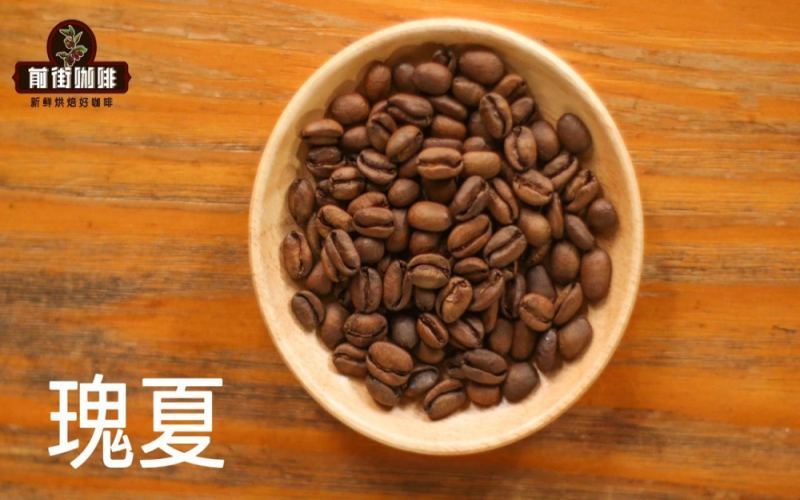
Geisha Coffee Price and Flavor Full Analysis: Panama Emerald Estate Red and Green Label Characteristics and Front Street Brewing Suggestions
Geisha coffee has long been praised as the king of specialty coffee, with prices ranging from a few dozen yuan to over a hundred yuan per cup, underpinned by strict growing conditions and distinctive flavor profiles. This article begins with Geisha's origins and rise to fame, sorts through the flavor differences and price ranges of Panama Hacienda La Esmeralda's Red Label, Green Label, and the Boquete production region, and shares Front Street Coffee's specific recommendations for light roasting and V60 brewing. Whether you want to understand why Geisha is so expensive or are looking for a cost-effective everyday Geisha, you will find practical reference information in this article. [more…]
A Complete Analysis of Geisha Coffee Prices and Flavors: From Panama's Hacienda La Esmeralda to Front Street Coffee's Everyday Picks
Geisha coffee is hailed as the champion among coffee varieties. Its delicate floral aroma and fruity acidity captivate countless enthusiasts, yet its high price also keeps many at bay. Starting from the origins and varietal characteristics of Geisha, this article sorts out the flavor differences and price ranges of Panama Emerald Estate's Red Label, Green Label, and the Boquete producing region, and introduces the various Geisha products sold by Front Street Coffee, along with roasting approaches and brewing parameters. Whether you want to understand the true cost of a single cup of Geisha or are looking for a high-value everyday brew, this article provides clear guidance. [more…]
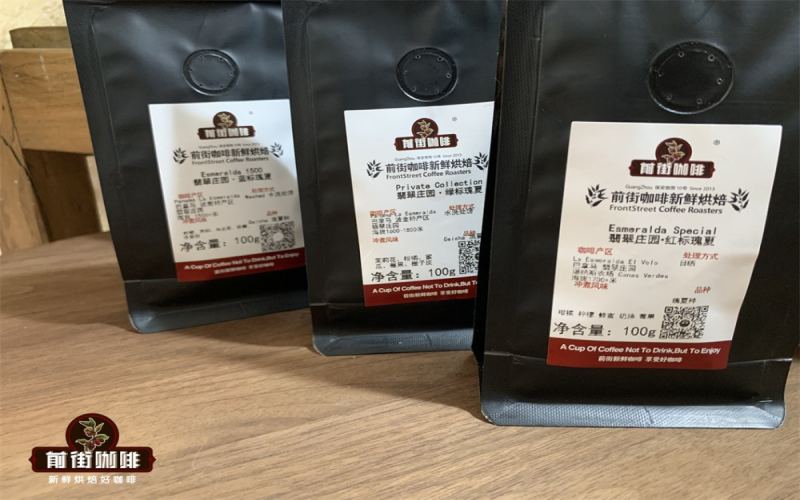
Analysis of the Grade Differences Between Panama Geisha Red Label and Green Label and a Discussion of the Reasons for Their High Prices
Geisha coffee is truly a shining pearl in the world of specialty coffee, but do you know the grade differences between Red Label and Green Label? Have you ever wondered why it is so expensive? This article will take you back through Geisha's legendary journey from the wild forests of Ethiopia to its rise to fame in Panama, explain in detail the classification standards and flavor characteristics of Hacienda La Esmeralda's three major grades—Red Label, Green Label, and Blue Label—and deeply analyze the fundamental reasons behind Geisha's scarce production and picky growing requirements. At the same time, Front Street Coffee will share the cupping performance and pour-over brewing suggestions for Red Label and Green Label Geisha, helping you fully understand this highly sought-after coffee variety. [more…]
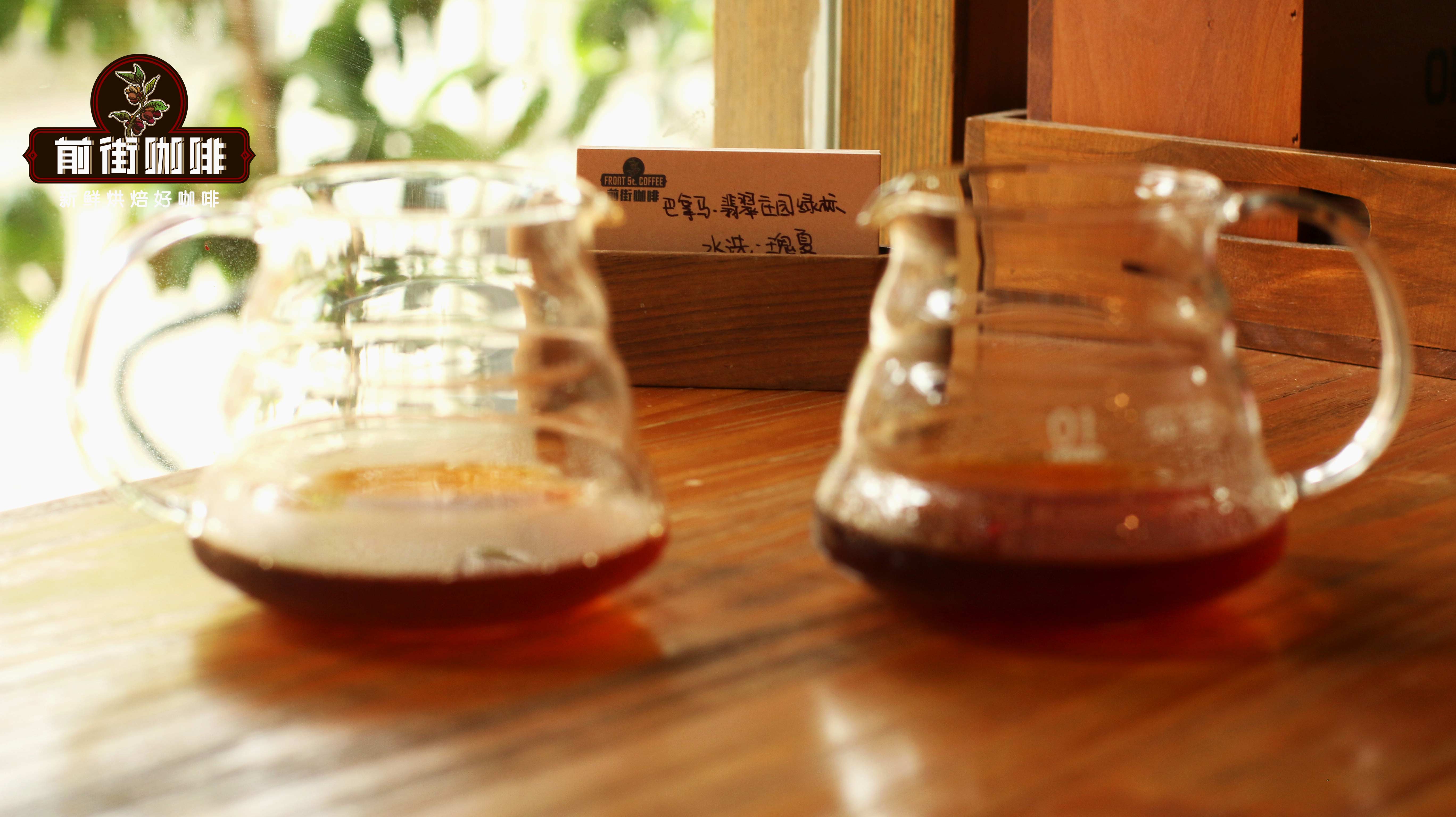
Geisha Coffee Price Revealed: Hacienda La Esmeralda Red, Green, and Blue Label Flavor Comparison and Pour-Over Guide
Since Geisha coffee shot to fame in 2004, it has become the pinnacle of the specialty coffee world. As the benchmark origin for Geisha, Panama's Hacienda La Esmeralda offers three grades—Red Label, Green Label, and Blue Label—each with its own characteristics and a price range that spans from entry-level to high-end. This article provides a detailed analysis of the price ranges, flavor profiles, and processing method differences across Hacienda La Esmeralda's Geisha series, along with a complete pour-over guide for the Red Label Natural Geisha. In addition, we'll introduce the highly cost-effective Diamond Mountain brand under Hacienda La Esmeralda, as well as Front Street Coffee's hands-on experience with brewing Geisha, to help coffee lovers make clearer judgments when purchasing and tasting. [more…]
Panama Hacienda La Esmeralda Geisha Blue Label Washed Bean Pour-Over Guide: A Full Breakdown from Estate History to V60 Parameters
Panama's Hacienda La Esmeralda made a stunning debut at the 2004 BOP competition with its Geisha coffee, forever changing the landscape of specialty coffee. This article focuses on Hacienda La Esmeralda's Geisha Blue Label washed coffee beans, systematically sorting out the grade differences and flavor characteristics of the estate's Geisha series—Red Label, Green Label, and Blue Label—and also introducing the high-value Diamond Mountain brand. At the same time, Front Street Coffee's barista will share the V60 three-pour brewing parameters and operational details for serving Geisha in-store, including water temperature, coffee-to-water ratio, grind size, and pouring technique, to help coffee enthusiasts recreate Geisha's signature floral aroma and complex fruit notes at home. [more…]

Ethiopia Gesha Village Golden Label Geisha: Oma Block Natural Flavor and Cupping Performance
When Geisha is mentioned, most people first think of Panama, but the roots of this legendary variety actually lie in Ethiopia. Front Street Coffee recently tested a Gold Label lot from Gesha Village, produced on the Oma block, of the Geisha 1931 variety, using a refined natural process. Gesha Village was founded around 2009 by Adam Overton and Rachel Samuel, who established the farm after finding wild Geisha in the Gori Gesha forest, and it is one of the rare large estates that grows only the Geisha variety. This article will present a complete picture of this African Geisha's performance and flavor profile, from the estate's history, variety classification, and the flavors of its eight blocks, to the Gold Label grade, natural process, roasting curve, and cupping and brewing. [more…]
Detailed Explanation of the Grade Differences Between Geisha Red and Green Labels: The Reasons Behind the High Price of Panama Geisha and Its Flavor Characteristics
Geisha coffee often commands astronomical prices—what exactly makes it so expensive? And how should one distinguish between Red Label and Green Label? From the perspective of Front Street Coffee, this article traces the complete journey of Geisha from the wild forests of Ethiopia to its rise to fame in Panama, analyzes Hacienda La Esmeralda's three-tier grading system of Red Label, Green Label, and Blue Label based on cupping flavor, and details the core factors that drive up its price, including the delicate nature of the Geisha plant, its scarce yield, and its demanding growing conditions. The article also includes Front Street's recommended pour-over parameters and flavor description for Emerald Green Label Geisha, helping coffee enthusiasts fully understand the unique value of this variety. [more…]
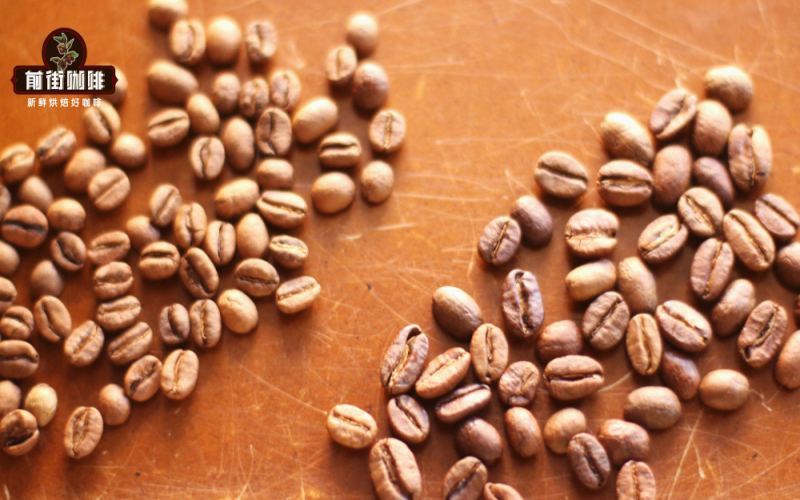
A Complete Analysis of Geisha Coffee Grade Naming and Huakui Coffee Flavor: The Meaning of Red Label and Gold Label and Their Differences
Geisha and Huakui—what stories truly lie behind these two names that are so often confused with each other? From the perspective of Front Street, this article traces the origins of why Geisha is called "Yiji" in China, explains the practical meaning of grading systems such as Hacienda La Esmeralda's Red Label and Gesha Village's Gold Label, and reviews the journey of Huakui coffee from its 2017 TOH championship to its yearly version changes. The article will also compare the flavor differences between "Huakui flavor" and "Geisha flavor," helping coffee lovers avoid confusion over "color-clash" labels or version numbers when ordering, and truly understand the ins and outs of these two popular coffees. [more…]
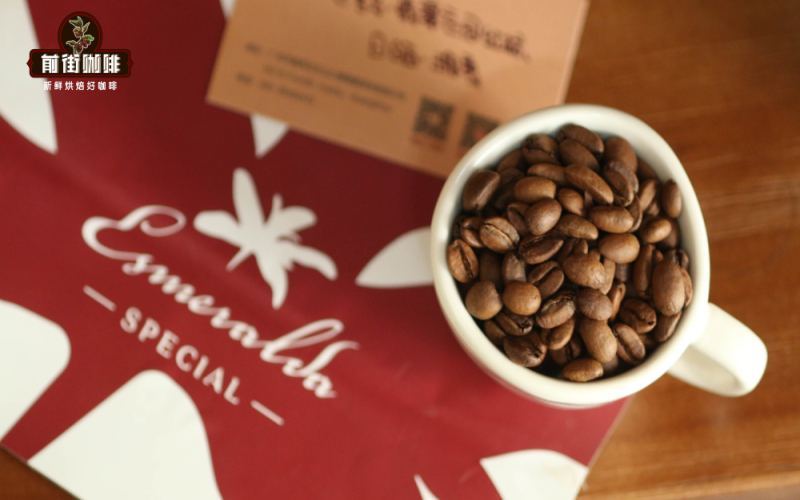
Panama Hacienda La Esmeralda Red Label Geisha: An In-Depth Look at the 2018 Auction Lot Yeast Processing Method
In the world of specialty coffee, Panama's Hacienda La Esmeralda Red Label Geisha has always been a focal point of great attention. In 2018, this competition lot debuted with a rare yeast anaerobic fermentation process, ultimately setting a high price of $340 per pound at auction. This article will take you deep into Hacienda La Esmeralda's producing region background, the discovery journey of the Geisha variety, the specific techniques of the yeast processing method, and the green bean characteristics, roasting, and brewing key points of this Red Label Geisha. Front Street Coffee also obtained a small amount of Red Label natural and yeast-processed lots this year, sharing them with coffee lovers at a relatively affordable price. [more…]
Hacienda La Esmeralda Red Label Geisha: How to Read Panama Geisha's Grading System
In the specialty coffee world, Geisha from Panama's Hacienda La Esmeralda is a name that's almost impossible to avoid. When buying Geisha, product pages often feature terms like "Red Label," "Green Label," and "Auction Lot"—but what exactly do they mean? This article uses Hacienda La Esmeralda's Red Label Geisha as a thread to help you make sense of the grading system. Emerald [more…]
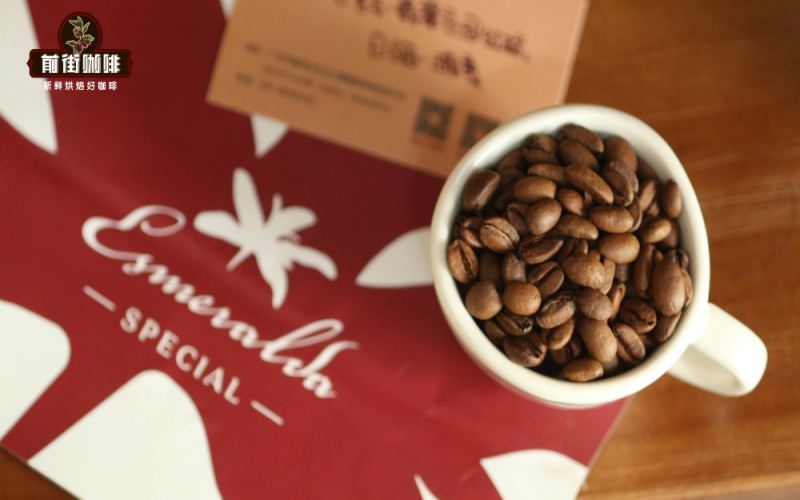
Why is Panama Hacienda La Esmeralda Geisha so famous? An analysis of the reasons behind the high price of the Red Label批次
Geisha coffee is nothing short of a legend in the specialty coffee world, and the Geisha produced by Panama's Hacienda La Esmeralda stands out as the finest of them all. From the wild forests of Ethiopia to the high-altitude farms of Panama, Geisha lay dormant for decades before finally bursting into prominence. Hacienda La Esmeralda not only propelled Geisha onto the world stage but also pioneered a rigorous grading system of Red Label, Green Label, and Blue Label. This article will trace Geisha's rise to fame, analyze how Panama's unique terroir shapes its flavor, explain why Red Label lots can command astronomical prices at auction, and share Front Street Coffee's brewing insights and parameter recommendations for Esmeralda Red Label Geisha. [more…]
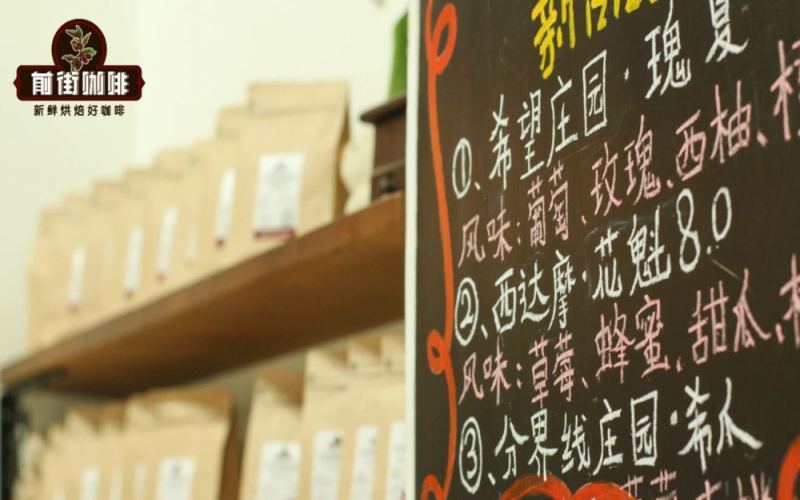
A Detailed Guide to Panama Hacienda La Esmeralda Geisha Grades: Flavor Differences and Brewing Guide for Red, Green, and Blue Labels
Geisha coffee beans got their name because their pronunciation is similar to the Japanese word for "geisha," but what truly made them famous is Hacienda La Esmeralda in Panama. From its breakout victory at the 2004 BOP competition to today's three major brand tiers—Red Label, Green Label, and Blue Label—Hacienda La Esmeralda has defined the flavor benchmark for top-tier Geisha through meticulous plot division and cupping standards. This article provides a complete overview of Geisha's varietal origins and spread, explains in detail the differences between Hacienda La Esmeralda's Red Label (auction lots), Green Label (reserve lots), and Blue Label (select lots) in terms of altitude, plot, processing method, and flavor, and includes Front Street Coffee's roasting curves and pour-over parameter recommendations for each Geisha tier, helping coffee enthusiasts build a clear framework for understanding Geisha. [more…]
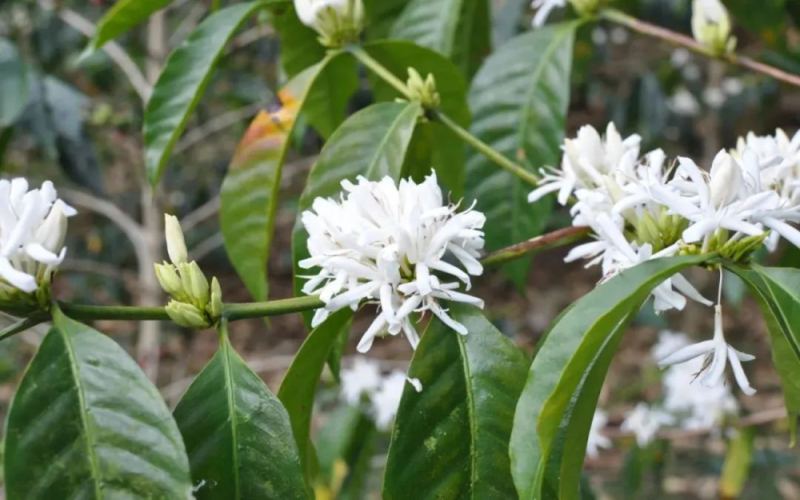
A Comprehensive Guide to Hacienda La Esmeralda Geisha: From Variety Origins to Red, Green, and Blue Label Grades and Pour-Over Parameters
Since Geisha (Gesha) burst onto the scene in 2004, it has firmly secured its throne as the king of the specialty coffee world. This variety, originating from the primitive forests of Ethiopia, began its legendary chapter after being discovered and developed by Hacienda La Esmeralda in Panama. In this article, Front Street Coffee will guide you through a comprehensive understanding of the Geisha variety's history, its stringent requirements for growing environment, the terroir differences between Panama's two major producing regions Boquete and Volcán, and how Hacienda La Esmeralda classifies Geisha into three major tiers: Red Label, Green Label, and Blue Label. At the same time, Front Street will also share the pour-over parameters and three-stage extraction steps for Esmeralda Red Label Natural Geisha, helping you better present this top-tier coffee's floral and fruity charm along with its orange blossom and honeyed notes. [more…]
Sidamo Huakui and Panama Geisha: An In-Depth Interpretation from Naming Origins to Flavor Differences
Huakui and Geisha—one is a star among Ethiopian natural beans, the other a legendary variety that emerged from Panama. The two are often compared, and at one point a saying even circulated that "Huakui is top-tier Geisha." Where did this misunderstanding come from? And what story lies behind the two names "Geisha" and "瑰夏"? Front Street Coffee will walk you through variety origins, naming systems, and grading, all the way to flavor expression, to help you sort out the distinct threads of Huakui and Geisha. The article also explains the meanings of "label" Geishas such as Hacienda La Esmeralda Red Label and Geisha Village Gold Label, as well as the origin of Huakui version numbers, helping coffee lovers avoid confusion when ordering and shopping. [more…]
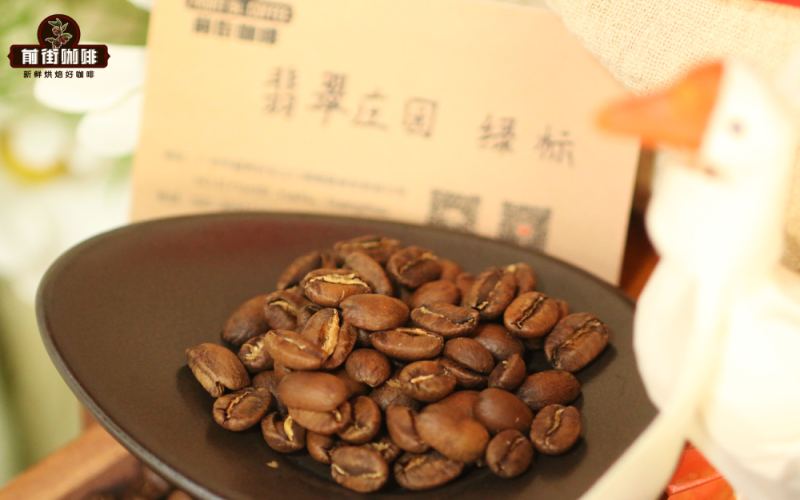
Panama Geisha Horizontal Comparison: Flavor Differences Between Hacienda La Esmeralda and Janson Estate Red/Green Labels and Brewing Recommendations
Many estates in Panama grow Geisha. Besides the famous Hacienda La Esmeralda, Hacienda Janson also produces high-quality Geisha. The two differ in geographical location, processing methods, and cupping performance. This article systematically compares Hacienda Janson with Front Street Coffee's Esmeralda Red Label and Green Label Geisha, covering terroir, harvesting and processing, grading systems, and actual flavor comparisons. It also includes reference parameters for pour-over brewing, helping coffee enthusiasts understand the subtle differences between sun-dried Geisha from different estates and find the one that suits their taste. [more…]
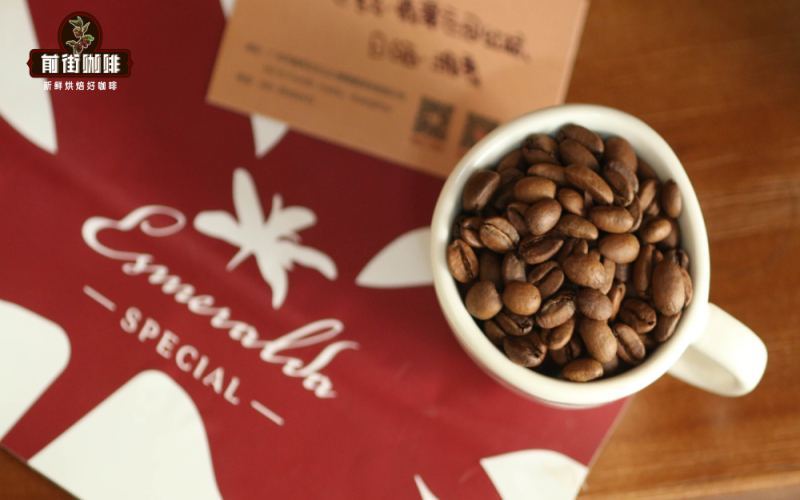
Panama Geisha Coffee Beans Full Analysis: From Hacienda La Esmeralda Red Label Grade to Front Street Coffee Pour-Over Parameters
Geisha is one of the most dazzling varieties in today's specialty coffee world, and Panama is where it truly rose to fame. From the wild forests of Ethiopia to the high-altitude estates of the Boquete Valley in Panama, Geisha took nearly a century to be discovered by the world. This article will walk you through the rise of Panama Geisha, the grading system of Hacienda La Esmeralda, the terroir differences between the two major producing regions of Boquete and Volcán, and Front Street Coffee's roasting approach and pour-over recommendations for Red Label and Green Label Geisha, helping you gain a more comprehensive understanding of this captivating coffee. [more…]